Little Known Questions About Permian Basin Pipeline Construction.
Permian Basin Pipeline Construction Fundamentals Explained
Table of ContentsAn Unbiased View of Permian Basin Pipeline Construction4 Simple Techniques For Permian Basin Pipeline ConstructionThe Only Guide for Permian Basin Pipeline ConstructionThe Ultimate Guide To Permian Basin Pipeline ConstructionIndicators on Permian Basin Pipeline Construction You Should KnowPermian Basin Pipeline Construction for DummiesThe 9-Minute Rule for Permian Basin Pipeline Construction
Cured-in-place pipe (CIPP) is a trenchless modern technology utilized to install water, sewage system, and other pipelines without needing significant excavation or invasive digging. The process begins by placing a liner right into the existing pipework, which is after that full of material that hardens to form a long-term pipeline within the existing pipe.At MaxLiner USA, we comprehend the benefits of making use of CIPP, that include its price, speed, and very little interruption throughout setup. This makes it an optimal option for professionals, plumbing professionals, businesses, and communities seeking to minimize downtime while installing brand-new pipelines. Among the major advantages of CIPP is its expense financial savings on labor and equipment, resulting in a more affordable service than conventional pipe replacement techniques.
Rather, a lining is inserted right into the broken pipe and treated in position with heat, creating a seamless repair that supplies lasting protection against origin seepage, corrosion, opening damages, and various other common issues with existing pipes. Not just does this strategy eliminate the need for comprehensive excavating, yet it additionally gets rid of the prospective threats related to contaminated materials removal.
10 Easy Facts About Permian Basin Pipeline Construction Shown
As such, expenses have a tendency to be less than changing whole sizes of piping via open-cut installments even when factoring in the expense of liner products. As a result of its low ecological effect and price financial savings possible, cured-in-place pipeline installation is ending up being progressively popular as an option to conventional repair in different sectors.
When it comes to cured-in-place pipe (CIPP) setup, lots of benefits originate from its very little time and cost. Firstly, CIPP installations can be established up in a fraction of the moment it would certainly take for traditional pipeline replacement since no excavation is needed - Permian Basin Pipeline Construction. Instead of digging into the bordering soil and getting rid of existing pipes, CIPP makes use of cutting edge trenchless modern technology to set up material linings or polyester fiber tubes inside existing pipes
How Permian Basin Pipeline Construction can Save You Time, Stress, and Money.
This helps to lessen downtime and maintain your job on the right track, causing time cost savings that would certainly not have been possible with standard pipeline substitute systems. Whether getting rid of smaller sections of piping or executing complete relining jobs, this technique has specific benefits when it involves cost. Not only is equipment rental eliminated given that no excavation is needed, yet so are website reconstruction costs given that a minimal surface area repair service might be called for after installation.
For that reason, with minimal time and price required for installation, cured-in-place pipeline setup is an excellent alternative for cutting down on labor expenses without giving up quality work. As we'll discuss in the following area, this kind of see here now installation offers enormous benefits when it pertains to decreasing disturbance around homes and companies.
Permian Basin Pipeline Construction - Truths
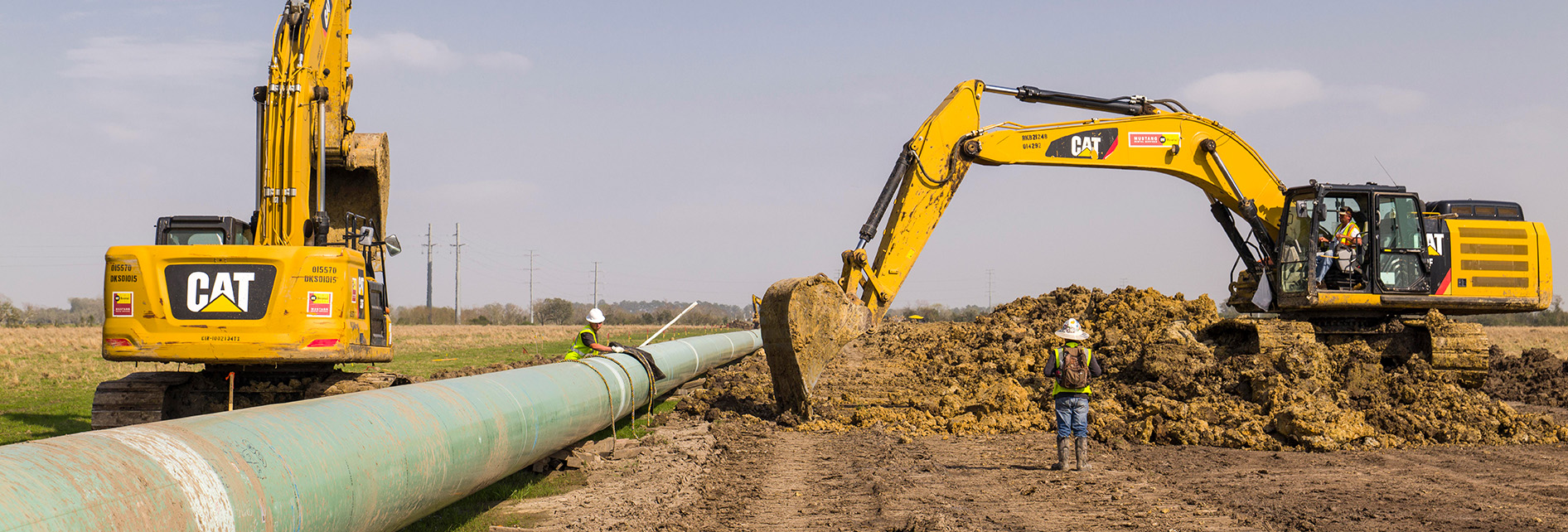
This trenchless setup is a lot easier to execute than traditional pipeline laying. As the name suggests, the majority of excavation and relevant website prep work is prevented because the brand-new pipes are fed with existing conduits. helpful site This makes it possible to set up underground pipes in a fraction of the time needed for the much more typical excavating approach, which can create unnecessary disruption to the environment, neighborhood roadways, paths, surrounding homeowner, and so on.
Sometimes, it might take a little bit of excavating if these gain access to points are not already mounted in existing upkeep openings or catch basins. The outcome must still be less turbulent than excavating long trenches, but something to think about before committing to this setup (Permian Basin Pipeline Construction). On the whole, cured-in-place pipeline installment is practical when marginal disruption is desired considering that the majority of the below ground infrastructure stays intact while giving restored strength and reliability to existing pipelines

The cured-in-place installment process begins with inspecting the pipe in question to establish whether any type of damages is present or requires substitute. Afterward, if required, cleaning should take area inside the pipe to ensure that all material build-up is eliminated and all surface areas are smooth and unpolluted prior to lining setup. As soon as these actions are completed, an unique resin-coated felt or hybrid felt and fiberglass material is placed into the pipe and uniformly distributed along its length.
Little Known Facts About Permian Basin Pipeline Construction.
Curing (either ambient, heated water or air, or UV) is introduced right into the tube when the lining installation is total, treating and forming the material fabric around the old pipe's shape. It must be noted that extreme pressure must be prevented at all costs because hop over to these guys it can cause further damage to the system.
This in-depth area about the 'Cured-In-Place Setup Process' has actually described its step-by-step procedure. By recognizing what enters into this procedure and its problems, we can value just how advantageous it can be for many piping fixings - Permian Basin Pipeline Construction. Now allow us proceed to discover what sorts of materials are utilized in this procedure in our following section
The Facts About Permian Basin Pipeline Construction Revealed
The ideal material can substantially impact the job, consisting of cost-effectiveness, toughness, efficiency, and performance. Polymer linings are typically liked for CIPP because they are very resilient and resistant to corrosion and deterioration. They can also last anywhere from 10 to 30 years, depending on the top quality of the products utilized.
It is typically less complicated, much less turbulent, and more cost-effective than conventional repair services. One of the major advantages of CIPP pipe installation compared to the typical technique of removing and replacing any kind of broken pipeline sections with new product is that CIPP pipe does not call for digging or digging deep into the bordering areas.
This lowers the time and labor required for intricate restoration tasks. Finally, CIPP materials are thinner than sections of the new pipeline, so they require very little room while using remarkable longevity and longevity compared to other approaches of repairing damaged pipes. While CIPP setup offers some distinct benefits over typical methods of repairing pipelines, it can have particular limitations depending upon which kind of details scenario needs it.
Unknown Facts About Permian Basin Pipeline Construction
Overall, CIPP pipe installment offers numerous advantages when it pertains to conserving time, cash, and initiative during pipeline repair service jobs. These advantages make it an appealing choice for those searching for fast yet reputable methods to address damaged pipes in your home or in service settings. In the adhering to section, we will certainly go over a summary of cured-in-place pipe setup in higher detail to provide you an even much better understanding of its several advantages.